Source Aftermarket Bmw Tail Lamp for Repair, Upgrade, and Replacement
Find 30 aftermarket bmw tail lamp options for repair, upgrade, and replacement. Compare high-quality LED and plastic units with various fitments for BMW and Mini models. Evaluate specifications like voltage, wattage, and waterproof resistance to select the right parts for your sourcing needs.
Key considerations
Products List


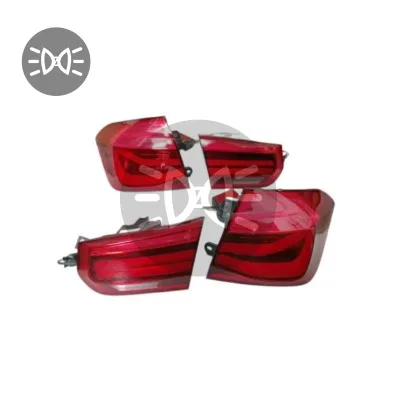
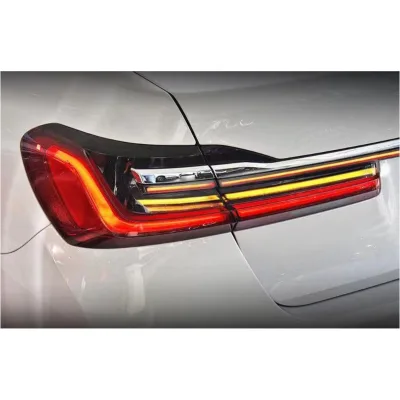
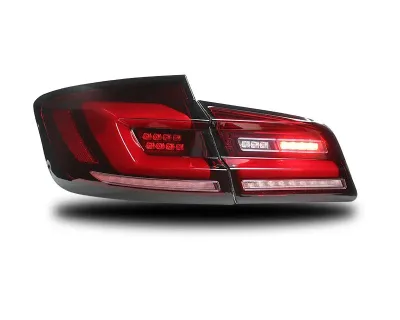


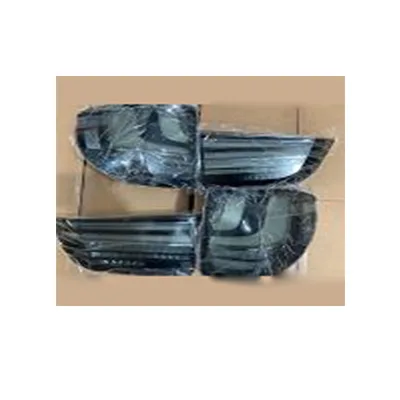
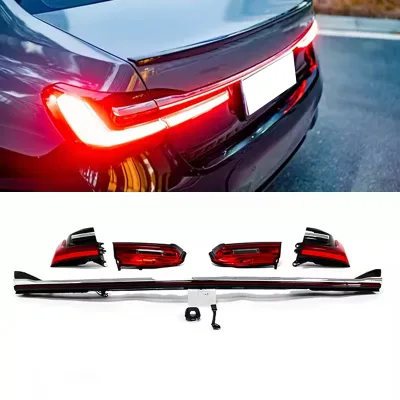


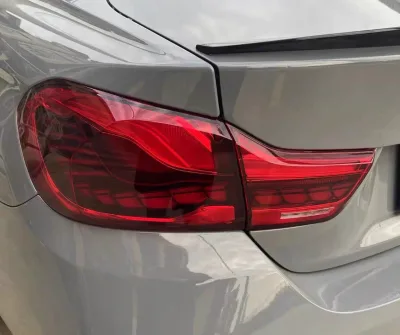
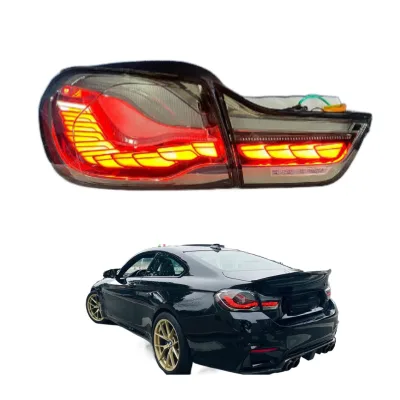
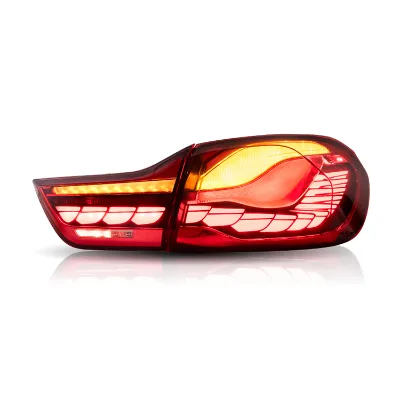


Comprehensive Sourcing Guide
Aftermarket Bmw Tail Lamp Sourcing Guide
Procuring aftermarket BMW tail lamps requires careful navigation of specific model compatibility, as the supply chain offers distinct variants for series like the F54, G20, and G11. Buyers must verify that the listed product explicitly matches their vehicle's chassis code, as generic listings often fail to account for subtle design changes between model years. The observed market data indicates a wide range of customization options, yet the fitment quality varies significantly between suppliers claiming high fitment and those offering universal solutions.
Sourcing decisions should prioritize the condition and material composition of the lamp assembly to ensure longevity and safety. While some listings specify new plastic components, others may offer remanufactured units that require rigorous inspection before installation. The voltage and wattage ratings observed in the market, ranging from 6V to 12V and 36W to 100W, necessitate a strict verification process to prevent electrical system conflicts. Buyers must ensure the selected unit aligns with their vehicle's electrical architecture to avoid premature failure or warning light errors.
Product Scope and Observed Listing Signals
The current market for BMW tail lamps presents a diverse array of product attributes, including specific model applications for the MINI F54, G22, and G82 series. Listings frequently highlight the position of the lamp, such as rear bumper or right/left body positions, which is critical for accurate ordering. The observed price range spans from $1 to $859, reflecting the disparity between basic replacement bulbs and complete assembly units. This variance suggests that buyers must clearly define whether they need a full housing or just the internal lighting components to avoid overspending on unnecessary features.
Color and style specifications are equally vital, with red LED options being a common standard for rear applications. The material composition is predominantly plastic, though some entries list LED as a material, indicating the internal light source rather than the housing. Buyers should scrutinize the packing details, as carton package dimensions like 634725cm or 754085cm impact shipping costs and logistics planning. Understanding these physical constraints helps in calculating the total landed cost and ensuring the product fits within the intended storage or transport infrastructure.
Technical Specifications to Verify
Electrical compatibility is the primary technical hurdle when sourcing these components, as observed wattage and voltage ratings differ across listings. Some products are rated at 12V with 36W power, while others show 6V or 100W ratings, creating potential confusion for the buyer. It is essential to cross-reference the rated power and voltage against the vehicle's original equipment specifications to ensure safe operation. The bulb shape codes, such as P21W or led/xenon, further complicate the selection process, requiring precise matching to the existing socket and wiring harness.
Physical dimensions and fitment tolerances must be validated against the specific BMW model to guarantee a seamless installation. The observed standard sizes, such as 70X35X40 cm for single packages, provide a baseline for shipping but do not guarantee the internal fitment of the lamp. Buyers should verify the OE number, such as 710815029089, to confirm the part matches the original design exactly. Additionally, the color temperature of 10000K and lumens of 3000 Lm indicate specific lighting performance characteristics that may not be suitable for all driving conditions or legal requirements.
Compliance and Safety Documentation
Safety compliance for automotive lighting components is paramount, yet the observed listings often lack explicit certification details beyond general quality claims. Buyers must request documentation proving that the LED or xenon bulbs meet regional safety standards for brightness and beam pattern. The presence of waterproof resistance is a critical feature for rear lamps, but the specific IP rating or testing methodology should be verified to ensure durability against moisture and road debris. Without clear evidence of compliance, the risk of regulatory non-compliance or safety hazards increases significantly.
Warranty terms serve as a proxy for manufacturer confidence and product reliability in the absence of formal safety certifications. The observed warranty period of 3 months suggests a short-term guarantee, which may be insufficient for high-value automotive parts. Buyers should negotiate extended warranty terms or seek suppliers who provide comprehensive support for defects related to electrical failure or housing cracks. The purpose of the product, often listed as for replace/repair, implies a need for clear return policies if the item fails to meet the stated quality or fitment expectations.
Cost Drivers and Commercial Terms
The commercial landscape for BMW tail lamps is influenced heavily by the minimum order quantity and the specific model compatibility required. Observed MOQs range from 1 set to 30 units, with some suppliers requiring 2 sets as a baseline for transaction. This variability allows small buyers to test the market with single items while larger operations can leverage bulk purchasing power. However, the price range of $1 to $859 indicates that unit economics vary drastically based on whether the purchase is for a single bulb or a complete assembly, necessitating a clear budget definition.
Shipping and packaging costs are significant drivers of the total procurement expense, given the varied dimensions of the single package sizes. The origin locations, primarily Guangdong and Guangzhou, suggest a concentration of manufacturing that can affect lead times and freight rates. Buyers should calculate the impact of the single gross weight, such as 7.000 kg, on shipping fees, especially for international orders. Understanding these logistical factors helps in selecting the most cost-effective supplier while ensuring the product arrives in good condition without excessive damage or delay.
Supplier Qualification and Quality Control
Supplier qualification should focus on the consistency of product attributes and the transparency of their manufacturing processes. The observed data shows a mix of origins, including Guangdong and Guangzhou, which are known hubs for automotive parts but vary in quality control standards. Buyers must verify the brand name and ensure that the supplier provides clear information about the production origin and quality assurance measures. The claim of high quality and high fitment should be backed by tangible evidence, such as customer reviews or third-party inspection reports, rather than marketing assertions.
Quality control protocols must address the specific risks associated with remanufactured versus new components. While some listings specify new conditions, others offer remanufactured units that may have hidden defects or reduced lifespan. Buyers should implement a rigorous inspection process upon receipt, checking for physical damage, electrical functionality, and correct color temperature. The selling units being listed as single items suggests that buyers can test individual components before committing to larger orders, which is a prudent strategy for mitigating quality risks in the aftermarket sector.
Long-Term Procurement Checks
Sustaining a reliable supply chain for BMW tail lamps requires ongoing monitoring of product consistency and supplier performance over time. Buyers should track the stability of the product model numbers, such as G20 or F30, to ensure that the supplier continues to stock the correct parts as vehicle models evolve. The observed variation in specifications, including different voltage and wattage ratings, highlights the need for regular audits to prevent the accidental procurement of incompatible parts. Establishing a long-term relationship with a supplier who can guarantee consistent quality is essential for minimizing downtime and maintenance costs.
Future procurement strategies should account for the potential obsolescence of specific models and the availability of replacement parts. The purpose of the product for replace/repair indicates a continuous demand, but the supply chain must be resilient enough to handle fluctuations in vehicle age and model popularity. Buyers should maintain a buffer stock of critical components and verify the lead times for reordering to avoid production stoppages. Regular communication with suppliers regarding updates in standards or design changes will help in adapting the procurement strategy to meet the evolving needs of the fleet or customer base.
FAQs
What models of BMW and Mini are compatible with these tail lamps?
These tail lamps are designed for specific models including BMW 3 Series F30, 7 Series G11 G12, Mini F54, Mini F60, and BMW G20 G22 G82. They offer high fitment for these vehicles. Always verify your vehicle's exact model code before purchase to ensure proper installation and functionality.
Can I customize the color or style of the aftermarket tail lamp?
Yes, customization is available for these aftermarket tail lamps. You can select from options such as red color and LED style. The products are made from plastic and LED materials, allowing for specific aesthetic preferences. Contact suppliers directly to discuss custom requirements for your specific vehicle application.
What is the voltage and wattage specification for these tail lamps?
The specifications vary by product listing. Some units operate at 12V with 36W or 100W wattage, while others may be rated at 6V with 72W. These electrical parameters ensure compatibility with standard vehicle systems. Check the specific product details for the exact voltage and wattage required for your installation.
What is the minimum order quantity for purchasing these tail lamps?
The minimum order quantity ranges from 1 to 30 sets depending on the supplier and specific product variant. Some listings require a minimum of 1 set, while others may ask for 2 sets. This flexibility allows buyers to order small quantities for testing or larger batches for inventory needs.
Where are these aftermarket tail lamps manufactured and shipped from?
These products originate from Guangdong, China, with specific origins noted in Guangzhou. They are packed in carton packages with standard dimensions. The manufacturing location ensures access to established automotive parts supply chains. Buyers should verify shipping details and lead times with the specific supplier for accurate delivery estimates.
What warranty is provided for the rear tail lamp replacements?
A 3-month warranty is typically provided for these rear tail lamp replacements. This covers defects in materials and workmanship for new or remanufactured units. The warranty ensures quality assurance for your purchase. Please retain your order documentation to facilitate any warranty claims or support requests with the supplier.